
St. Quentin Post 555: A Century of Service to Ely
The history of the Ely American Legion is closely intertwined with the history of the community itself. For more than one hundred years, St. Quentin Post 555 has served as a gathering place, a memorial to local veterans, and an institution that helps bind the town together.
The story begins in the aftermath of World War I. In the spring of 1921, fifteen Ely-area veterans met to apply for a charter from the newly formed American Legion. Their application was approved, and on February 1, 1922, the Ely post officially became part of the national organization.
The name chosen for the post, St. Quentin, carries a deep local meaning. Two young men from the Ely area, Joseph Dvorak and Charles Noska, were killed in action in October 1918 during the fighting near St. Quentin, France, as Allied forces broke through the German Hindenburg Line in the final weeks of the war. When the Ely veterans organized their Legion post, they chose to name it in memory of that battle and the sacrifices of those local soldiers.
Like many new Legion posts of the era, the Ely veterans quickly sought a permanent meeting place. In 1923 they created their first hall in a characteristically practical way. When the town constructed a new brick school building that year, two older school buildings were no longer needed. Members of the Legion moved those buildings to the present site and joined them together to create the post’s first hall.
Though improvised in construction, the building quickly became one of the central gathering places in Ely. Over the next three decades the hall hosted a wide range of community activities. School plays and performances were staged there, community events were held there, and the Ely High School basketball team even played games on its floor. The building was expanded in 1928 as its use grew.
By the early 1950s the original hall had served the community for more than thirty years and was showing its age. In 1954 the decision was made to replace it with a new structure. Once again, the project reflected the spirit of the Legion and the community. Members pledged volunteer labor to construct the new building, and those who were unable to contribute time instead paid for the equivalent number of hours.
Construction began with the dismantling of the old hall. Much of the basement for the new building was dug by hand by volunteers working in Ely’s sandy soil. Contractors assisted with specialized work such as electrical and heating systems, but the project depended heavily on local labor.
The new brick American Legion Memorial Building was completed and dedicated on June 26, 1955. Approximately 300 people attended the dedication ceremony, which included the presentation of colors, music, and remarks from Legion leaders. At the time Ely’s population was only about 300 residents, yet the veterans built a hall large enough to serve the entire community.
From the beginning, the new hall continued the tradition of civic use established by the earlier building. Its large open floor and stage made it suitable for dances, receptions, meetings, and performances. In its early years the Ely school again used the building for plays and programs, and the hall continued to host community gatherings of all kinds.
The building quickly became the largest indoor meeting space in Ely. That remains true today.
Over the decades the hall has hosted wedding receptions, anniversary celebrations, tournaments, fundraisers, and countless community events. Live bands played for dances in the early years, and music still fills the hall today. Ballroom dance clubs now rent the hall monthly for their events, continuing a tradition that stretches back nearly seventy years.
The hall has also become known for community breakfasts that draw residents from Ely and the surrounding area. These gatherings reflect the volunteer spirit that built the building in the first place. St. Quentin Post has always operated without paid employees, relying entirely on the efforts of its members and supporters.
Beyond the building itself, the Legion continues to play an important role in the life of the community. Members conduct Memorial Day services at Rogers Grove Cemetery, provide funeral honors for veterans, retire worn American flags with proper ceremony, and sponsor youth programs such as Boys State, Girls State, and local air rifle teams.
Through all of these activities runs a common theme: fellowship and service.
As Ely has grown, from a population of about 300 in 1955 to approaching 3,000 today, the Legion Hall has remained a central gathering place. In many communities across the country, volunteer-built halls like this were eventually replaced by government civic centers or municipal event facilities. In Ely, however, the older model has endured.
The Legion Hall continues to function as a community center built, maintained, and operated by volunteers.
The building itself stands as a testament to the generations who created it. World War I veterans founded the post and named it in memory of fallen soldiers. The next generation, including many World War II veterans, replaced the first hall with the brick building that still stands today. Their work produced a space that has served the town for nearly seventy years.
When residents gather there today for dances, breakfasts, youth events, or civic meetings, they are participating in a tradition that reaches back more than a century.
The Ely Legion Hall remains what its founders intended it to be: a place where the community can come together.
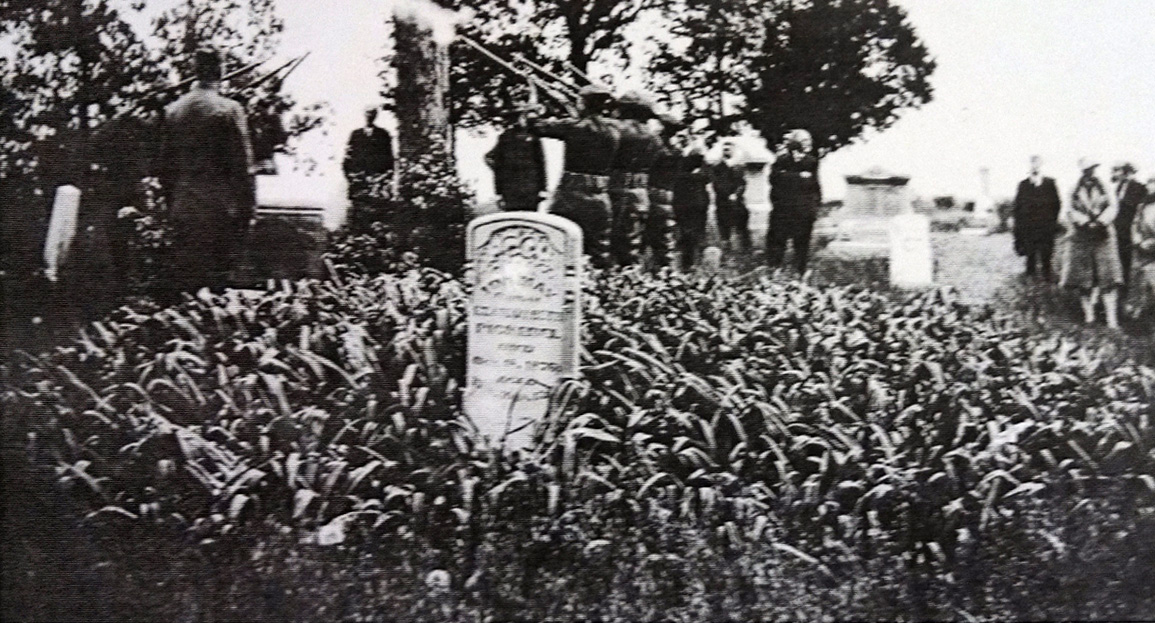
Memorial Day ceremonies at Rogers Grove Cemetery in the 1920s
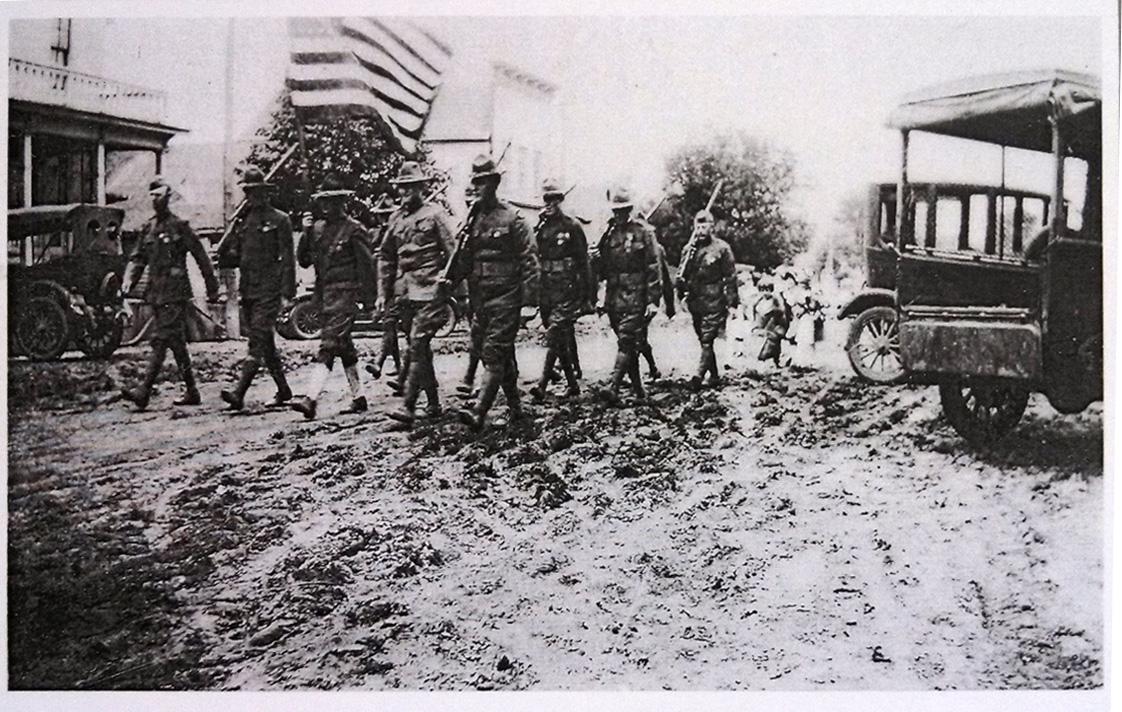
1927 Memorial Day parade in Ely. Left to right: Forrest Fuhrmeister, Frank Elias, Charles Clark,Milo Stransky, Unidentified, James Rousar, Lumir Truhlar, Frank, Zahradnik
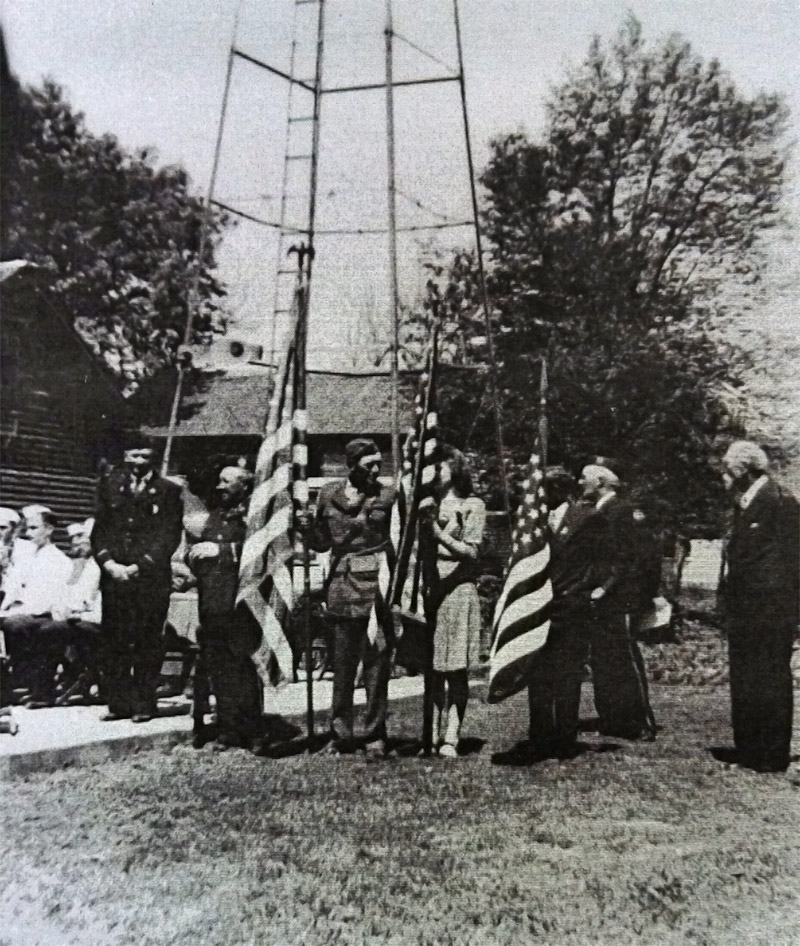
Circa 1950 color guard ceremony at the site of the siren tower and old fire station where the public library is now located. L to R: Unidentified, Lumir Truhlar, Raymond Truhlar, Rachal Truhlar Garnant, Unidentified, George Motychka, Rev. Francis Pokorny
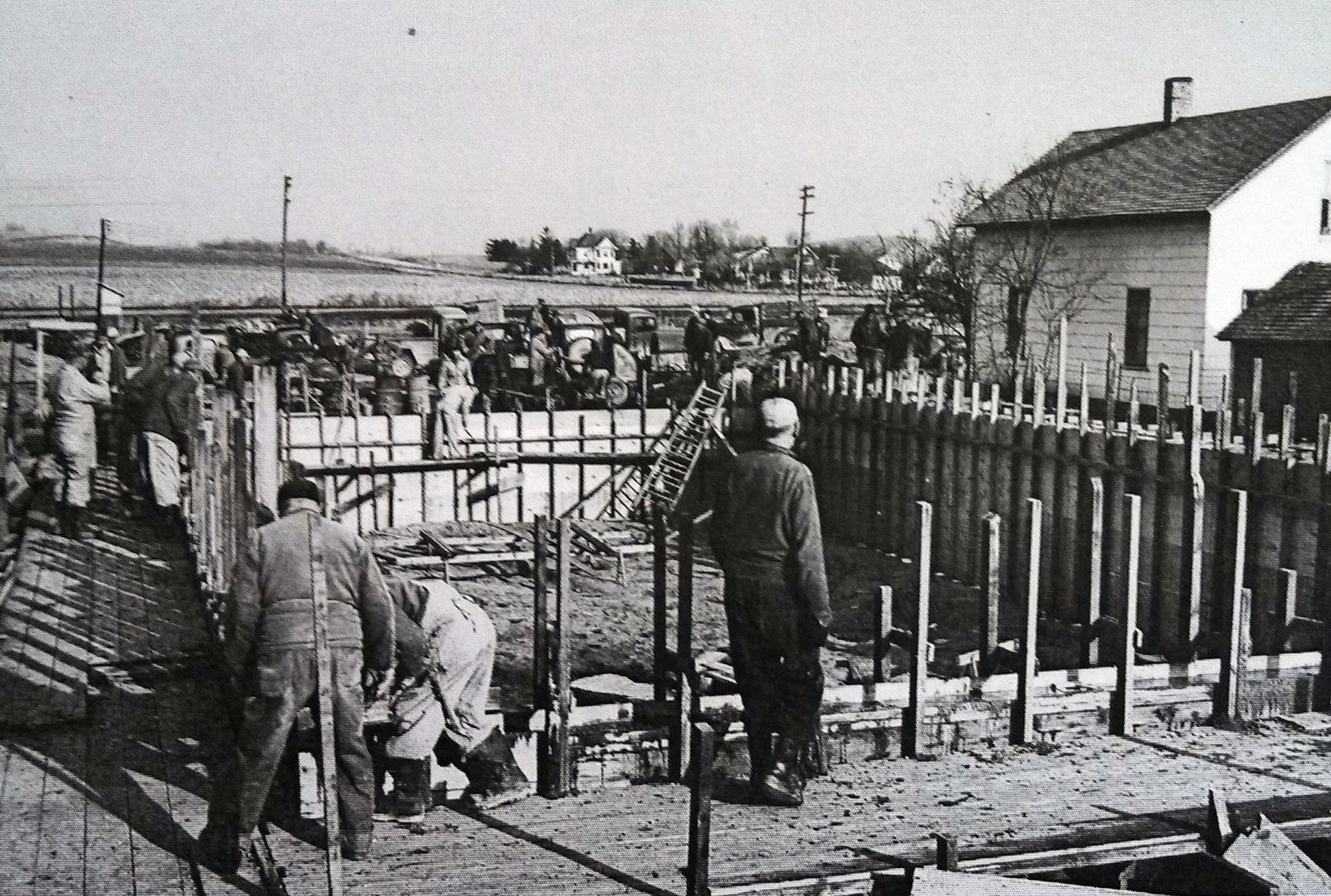
January 10, 1954: Volunteers constructing the new Legion Hall in Ely to replace the old wooden structure. (Looking East.)
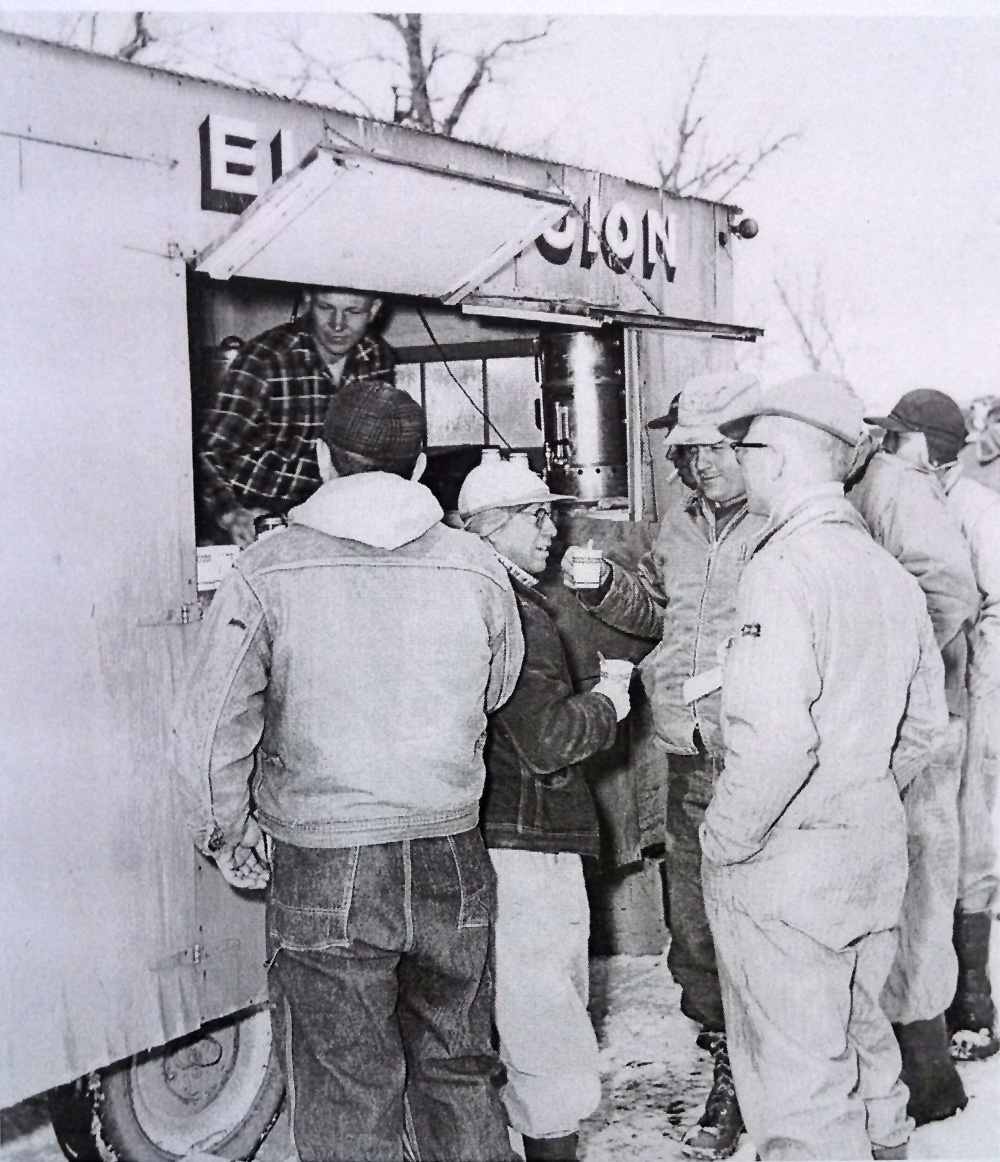
March 1960: Ely Legion raises funds with its lunch wagon at a Krofta farm sale.
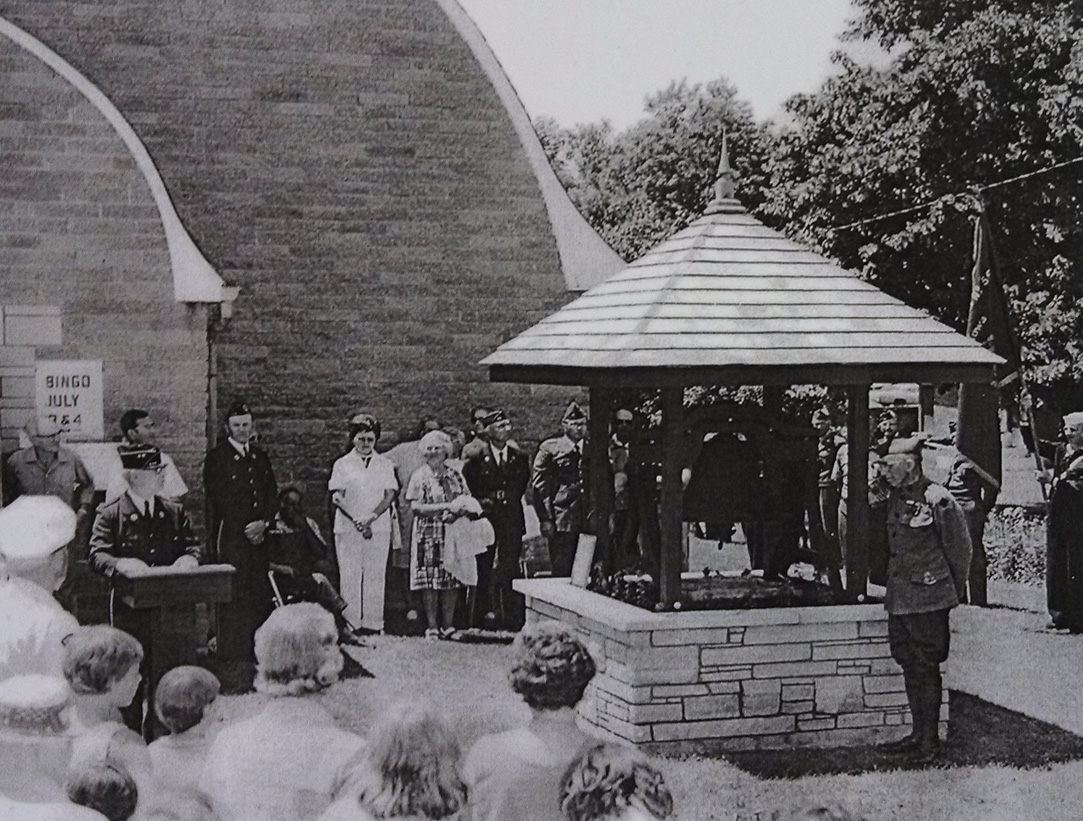 July 4, 1976 Dedication of the Old Town Bell at the Legion
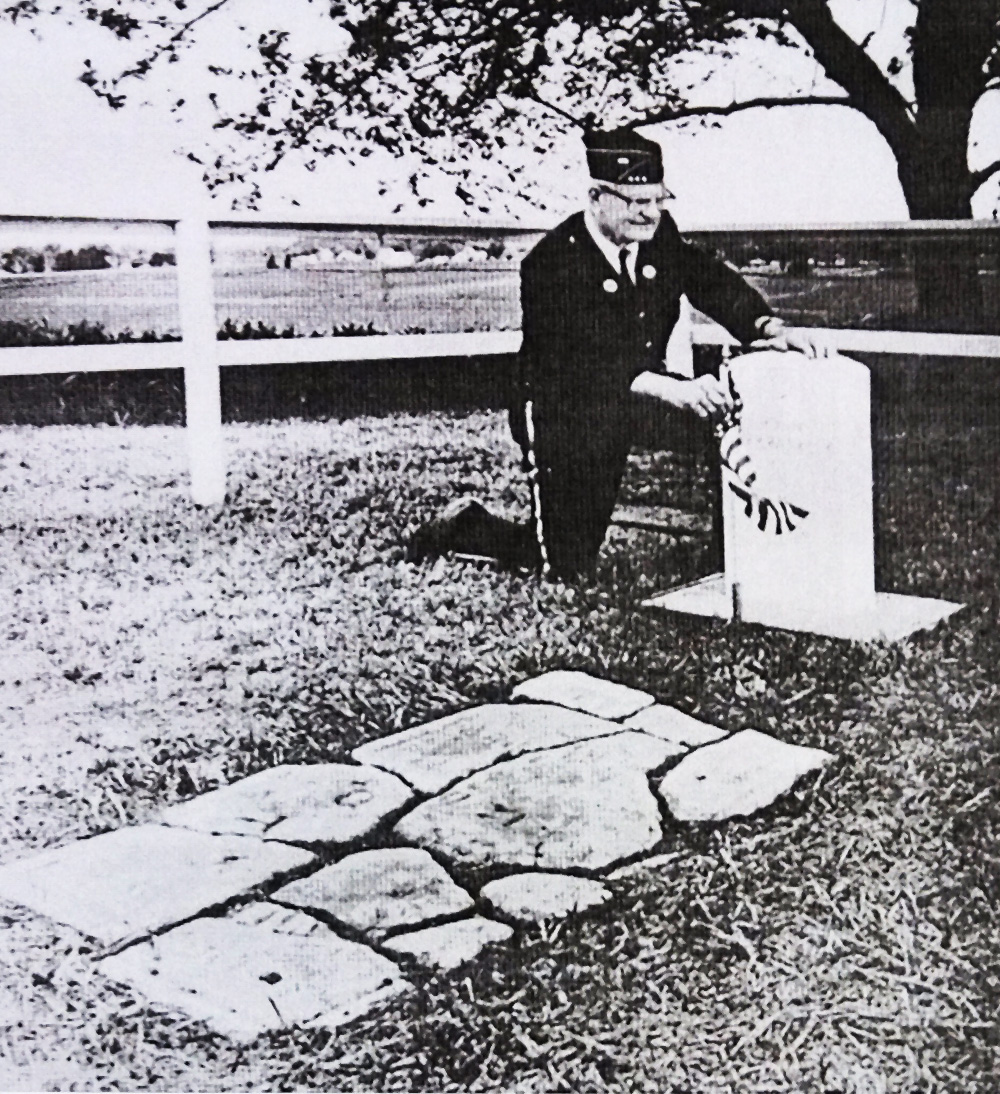
May 27, 1984: Cedar Rapids Gazette. Lamar Biderman, an Ely American Legion Post Member, places a flag on the grave of John Kirkpatrick, a War of 1812 veteran buried in a tiny cemetery near Ely.
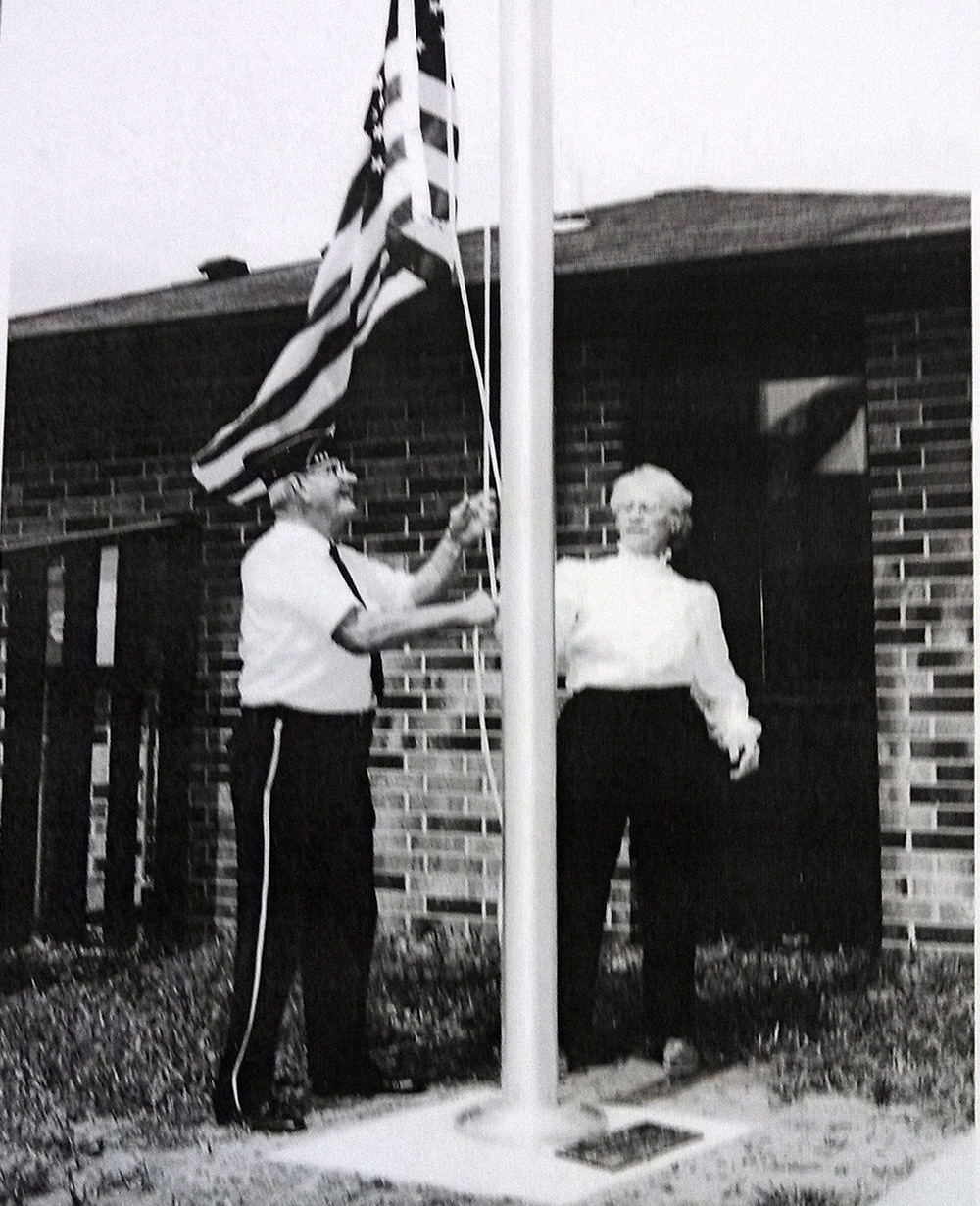
July 1987: Ely Legion donates a flag and pole to Ely Manor (Lumir Biderman and Agnes Netolicky)
Other Stuff
Read the history of Post 555 as written in Ely’s 1972 centennial book.
Read news coverage regarding the 1955 dedication of the hall as covered in the Marion Sentinel.